Thursday, June 6, 2013

Dads & Grads Special Savings


June 1, 2013 to June 30, 2013


Juvederm: $495


Botox: $9 per unit


Restylane: $450 per unit


Sculptra: $645 per vial


Enjoy Additional Savings
Sign Up for Brilliant Distinctions

Tuesday, May 14, 2013

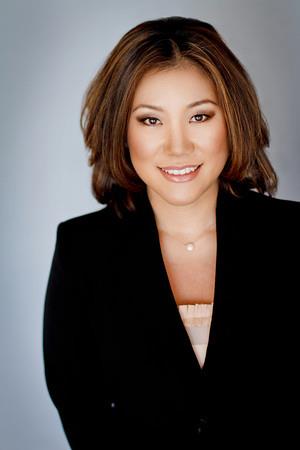
We Are Excited to Welcome Irene Nagel to Our Practice!


Irene K. Nagel, P.A.

Licensed Physician Assistant / Patient Educator


A graduate of University of Southern California Physician Assistant Program, she has worked as a licensed Physician Assistant for the past 13 years. 
 
She enjoys performing a wide range of minimal and no downtime aesthetic procedures.  Her expertise includes laser skin resurfacing, laser hair removal, Botox, and injectable fillers.  She considers injectables and lasers an “art form”. 
She takes great pride in her work and is very committed to patient comfort and satisfaction.
 
Irene loves working with patients and helping them, reach their aesthetic goals.

Thursday, April 25, 2013

Treating the Under Eye Area with Soft Tissue Fillers


Under eye circles and puffiness can work together to create a tired appearance, making a young face look old and an older face appear even older. Many women obsess about under eye problems, creating a market for an endless and confusing array of products, including creams, gels, concealers, brighteners and rollerballs.


Lower lid blepharoplasty, which removes excess under eye skin and fat is a tried, true and well respected surgical option, but recently a nonsurgical fix has emerged. Hyaluronic acid, marketed as Restylane, Juvéderm and other soft tissue fillers, can be injected into the tear trough (crescent-shaped under eye area) to rejuvenate the appearance of the under eye area.


What causes dark circles?

Many factors contribute to dark circles, but the common denominator is heredity and genetics.

·       Most frequently, dark circles are created by volume loss in the under eye area that exposes the orbital bone, creating a hollow trough that shows up as a dark circle. The delicate eye area, with its extremely thin skin, is one of the first spots to reveal signs of aging.

·       Dilated blood vessels that sit close to thin under-eye skin are another cause of dark circles.

·       Airborne allergens, which cause blood to pool in the vessels under the skin, can worsen the appearance of dark circles. (Treatment for this may be as simple as an antihistamine pill.)

·       Aging, which causes skin to thin, can darken the eye area, as can certain medications such as birth control pills, which can dilate blood vessels.

·       Sun exposure makes dark circles worse.
 

Advantages of injecting soft tissue fillers in the under eye area

The overall aim for soft tissue filler injections in the under eye area is to improve rhytids (wrinkles) and thinning under eye skin (which leads to sagging), and to decrease bulging under eye fat as well as the tear trough depression. Here is some more information:

·       In the early 90s, plastic surgeons began to use fat, which was removed during blepharoplasty, to fill in the tear trough depression. This usually led to swelling for several weeks and occasional problems with lumpiness in the lower eyelids. With Restylane or Juvederm, if you are unhappy with results, you don’t have to wait. Results can be altered with Hyaluronidase; this product dissolves and degrades the hyaluronic acid product to reverse the results of the injections.

·       Soft tissue fillers may not only add volume to the depression of the tear trough, but can also be used to thicken the anterior lamella (lower eyelid skin and orbicularis muscle) of the lower eyelid, which can in turn hide a lot of the aging changes underneath.


Success of Under Eye Injections Depends on the Skills of the Injector

Injecting dermal fillers under the eye is a very "technique-dependent" procedure.

·       If you’re young, with significant tear-trough deformities, your problems are not due to thinning. A 22-years-old has a nice thick dermis, but may have a volume problem, so your practitioner may use a fairly deep injection technique.

·       If you have severe tear-trough deformities and a lot of thinning of the soft tissues, your physician may use a "sandwich technique," putting a large, thin, superficial sheet above the orbicularis oculi muscle (closes the eye) and then a similar sheet immediately below the orbicularis oculi, making a sandwich out of that muscle between sheets of the filler. This allows for more product in the area and also allows for more thickening of the soft tissues, which helps to hide a lot of the underlying aging problems across the entire lower orbit.

Bottom line: Find a physician who is board-certified in an appropriate specialty and then make sure that he or she has a long history of performing this procedure.


Who is the ideal candidate for under eye injections?

·       If you have a significant excess of bulging lower eyelid fat, you are not a good candidate. You would probably do better with a lower-lid blepharoplasty.

·       Any age is appropriate.

·       Men and women are appropriate. Women usually have a little more problem with thinning of the dermis; however, as men age, they have this problem too.

·       Fillers are also appropriate if you have had a previous lower eyelid surgery and now appear too hollow. Fillers can restore volume nicely.

·       For an older patient with almost translucent skin, fillers will not result in a perfectly smooth eyelid. The goal may be to decrease the apparent depth of the tear trough.

·        If your biggest problem is dark circles and not a puffy fat pad, be aware that this treatment is not a skin-lightening procedure. It will help with the shadowing, which contributes to dark under eye circles.

·       If you are looking for something permanent, you may be a good candidate for blepharoplasty.


How Will You Look Following this Procedure?

·       You will probably be asked to come back to the office around day 5  to see how the product settles after your treatment. 
 
·       Your lower eyelids be slightly swollen for about three days after treatment; this is not a zero-downtime procedure.
     

What is the main safety consideration?


·       Side effects can include bruising, swelling that can last for a week or two and on rare occasions an allergic reaction.


Although the FDA has not approved the use of Restylane and other soft tissue fillers for tear trough injection, many practitioners inject soft tissue fillers in the under eye area with success.  Choose a skilled, plastic surgeon, or ophthalmic surgeon who is experienced in under eye injections. Results last about eight months.

Wednesday, March 20, 2013

The Difference between Botox and Facial Fillers


Sick of deep lines on your face? Wishing you could get a quick fix for the signs of aging around your mouth and eyes? You may think that Botox is your only option, but in fact there are other injectable cosmetics that plastic surgeons use to treat some lines on the face. That's why it's important for individuals to understand the difference between injectables like Botox and facial fillers, like Juvederm.

What Botox does
According to the American Society of Aesthetic Plastic Surgeons (ASAPS), Botox is a neuromuscular toxin, and while it is the most widely recognized brand name for this type of cosmetic, there are other variations that have FDA approval, namely, Dysport and Xeomin. The injectable medicine is used to treat "active" facial lines, meaning those that have only recently formed. A board-certified plastic surgeon will inject the cosmetic into facial areas that are associated with the formation of wrinkles. For example, the muscles you use to frown may be responsible for lines around the mouth, so a plastic surgeon can use Botox to artistically alter facial expressions. This won't result in a loss of the ability to show emotions on the face - the intention is to make subtle changes that will stop lines from forming while promoting a natural appearance.

What fillers do
Dermal fillers, on the other hand, are used to treat "firmly established wrinkles," reports ASAPS. There are many variations of soft tissue fillers available, so ask your board-certified surgeon for a recommendation. In addition to treating deep wrinkles, these cosmetics can alter the appearance of soft tissue - for example, they may be injected into the lips to make one's pout appear fuller.

Making the choice
A plastic surgeon is the best person to help you decide between these two types of skin treatments. In fact, a physician based in South Dakota told Keloland Television that often times, patients think of Botox as a "fix-all."
"A lot of them don't know," she explained to the news source. "They come in and say, 'This bugs me. I want Botox here.' Well, that's not a Botox area. That's where we fill."
Having a thorough consultation with a board-certified plastic surgeon before you agree to an injection can help you pick the best option for your personal desires.

Wednesday, January 30, 2013

Resolutions for Aging Beauties??


A new year has arrived, and many people have set their resolutions for 2013.
Adults who are beginning to show signs of aging may want to tailor their vows for 2013 to help them age gracefully. Here are some ideas to consider.


Is it finally time to quit?

 You're probably aware that smoking raises your chances of cancer and heart problems, but did you know that the habit could also have an adverse affect on the skin? Cigarette smoke can make a big impact on the formation of wrinkles and has been known to produce signs of premature aging. Deciding to quit - or at least reduce the number of cigarettes you smoke a day - could end up adding more years to your life while also giving you healthier, younger-looking skin. As with any resolution, it's important to be realistic about your goals. Saying that you won't smoke a single cigarette starting at midnight on January 1 is setting yourself up for disaster. It will likely be more effective if you set benchmarks for yourself. For instance, promise yourself that you'll be smoking three fewer cigarettes a day by April.

A healthier diet for a healthier you?

 The foods you put into your body can affect your skin and body shape. This year, make a promise to include more fruits and vegetables in your diet, and you may find that by the time 2014 rolls around, you look younger, healthier and thinner. Leafy greens such as spinach and kale as well as berries like raspberries and blueberries are known for their anti-aging properties, so add these foods to your shopping list every time you head to the grocery store.


Saving up for your big procedure

 If you've had your eye on a plastic surgery procedure, but have put it off because you can't afford it, then this year perhaps your  resolution should be to save up for the tummy tuck or breast augmentation you've always wanted. You can get yourself excited for your procedure by visiting with a board-certified plastic surgeon, who can also help you figure out exactly how much you need to save to cover the costs of your procedure.

Friday, October 26, 2012

Patient Safety: Check Your Doctor, Do Your Research


Most patients might know that to have surgery you should go to a board-certified surgeon, but with less invasive or nonsurgical procedures, they might be tempted to go elsewhere. In a study done last year, 47% of patients said they would have a more invasive procedure outside of a plastic surgeon’s office if their nonsurgical procedure went well. That means they could have an unlicensed individual injecting botox, fillers or doing even more extensive procedures like liposuction or fat transfer.

We’ve all seen the news – here are some important steps to take when selecting your surgeon:

1)     Check for credentials:

We’ve all seen the horror stories online from the women who went into a nail or hair salon and thought that it would be okay to get a buttock augmentation or injectable procedure done by an unlicensed individual. Completely fake doctors and injectors are out there, but so are non-core doctors who never learned how to properly inject or perform a procedure. Would you have a dentist do your heart surgery? Then, why have a dentist do your plastic surgery?


-        Med spas, spreading like wildfire in Florida, offer cosmetic procedures http://www.surgery.org/consumers/plastic-surgery-news-briefs/med-spas-spreading-wildfire-florida-offer-cosmetic-procedures-1037457
 

2)     Underground injections and Botox parties:

It may seem obvious not to go to someone’s home or hotel room to get a procedure done, but the individuals running these operations are convincing and they prey on vulnerable individuals who might not be able to afford procedures, nor have access to the internet or other resources and yet are desperate to improve their appearance. There are websites, phone numbers and organizations dedicated to checking on a person’s credentials. Don’t skimp on the research. 


-        Backroom procedures not worth the risk [ASAPS Press Release] http://www.surgery.org/media/news-releases/patient-safety-alert-
 

                Project Beauty Videos: Related topics 

-        FOCUS ON PATIENT SAFETY: PT I - Importance of Board Certification http://www.projectbeauty.com/videos/watch/importance-of-board-certification/

-        FOCUS ON PATIENT SAFETY: PT II – Are Quick Fix Brand Surgeries Worth it? http://www.projectbeauty.com/videos/watch/are-quick-fix-brand-surgeries-worth-it/

-        FOCUS ON PATIENT SAFETY: PT III – How to Choose a Plastic Surgeon http://www.projectbeauty.com/videos/watch/how-to-choose-a-plastic-surgeon/

-        A word of warning: Do-it-yourself plastic surgery http://www.projectbeauty.com/videos/watch/a-word-of-warning/